



The unprecedented increase in life expectancy globally is transforming our understanding of wealth. In the field of private banking, wealth management can no longer be separated from the management of biological capital.
What does it mean to grow old?
You state that the brain changes from the age of 65. What is the "gift of the years"?
Over time, the brain develops a greater ability to process the positive aspects it perceives. In experiments with photographs, adults in their 40s and 50s remember positive and negative images equally, but those over 65 show a clear tendency towards emotional positivity: they remember pleasant things more easily.
This finding highlights the trend towards emotional positivity over the years. This is a natural defense mechanism that often goes unnoticed due to the cultural stigma that associates "old" with negative terms such as "worn out" or "stale," a social prejudice that is even reflected in the dictionary.
Why is internal dialogue so important for longevity?
Speaking is a cognitive process that stimulates the brain and also has a very positive psychological effect. It helps us to share, to organize ourselves mentally and to vent. It also has a social dimension. Regarding life expectancy, various studies indicate that more extroverted and communicative people tend to live longer, reflecting a direct relationship between social interaction and longevity.
Another relevant aspect is that women live longer than men, even though more boys are born than girls. According to various studies, women tend to verbalize their emotions more. In Spain, women live on average almost 87 years, compared to 81 for men. My advice is clear: talk, converse, and talk to yourself as well; is an essential tool for mental organization.
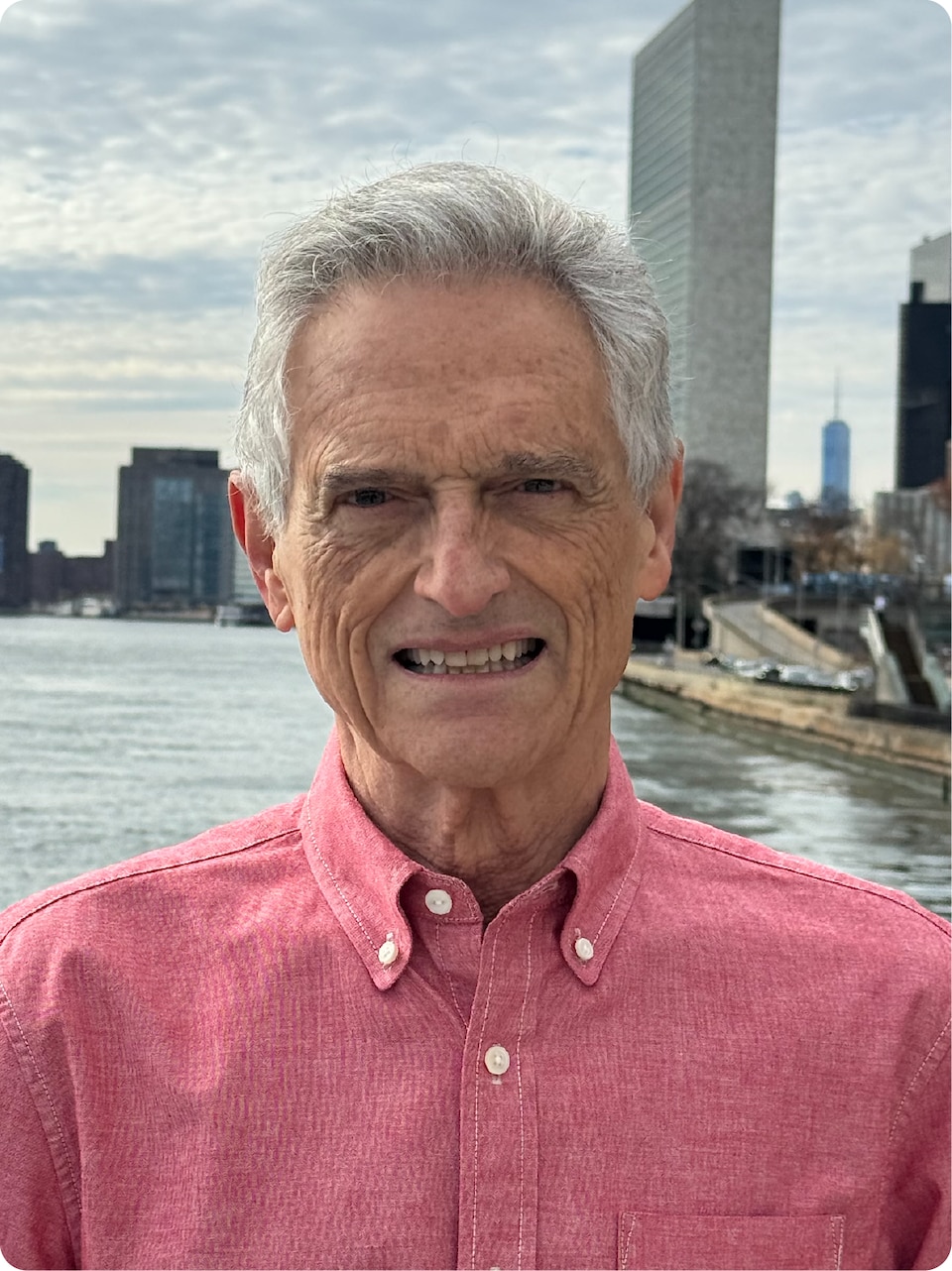
"More extroverted and communicative people tend to live longer, reflecting a direct relationship between social interaction and longevity"
In your book you highlight several pillars for aging happily, which one is the easiest to put into practice?
When we consider how we want to live, it is advisable to start from a holistic view of well-being: physical, psychological, and social. The starting point is self-knowledge. Understanding who we are, recognizing our qualities—including physical ones—and asking ourselves what we really like and what aspects are important to us.
On a psychological and emotional level, it involves reflecting on what gives meaning to our lives. And, in the social sphere, to identify which people we feel best with and what kind of relationships we want to cultivate.
From there, we can take control of our lives and organize our daily routine around those priorities: our vocation, our relationships, and our activities. And one key point: knowing how to ask for help. There are times when we need to listen and share with other people, and that is also part of that guide to move closer to a fuller life.
What do you think is the minimum biological level of physical activity that is non-negotiable in order to maintain our health?
How does physical exercise affect older people?