
Living in a world that never stops has become a global problem, one that is turning into a silent epidemic. Rest is also a way to invest intelligently in oneself. It requires time, reflection, and acting responsibly. What was considered a luxury for decades is now beginning to be seen as a critical necessity for health, emotional balance, and decision-making.
Sleep as a barometer of well-being
María is an executive who can't disconnect. Every night, at three-thirty, she wakes up with the same thought that keeps returning again and again. Like her, many people struggle to fall asleep. Poor sleep quality is a public health issue in Europe and is no longer just a side effect of today's past-paced life: it is a warning sign about our emotional balance. High rates of sleep-related problems are also recorded in Latin American countries.
According to an analysis of the National Health and Wellness Survey, between 6% and 10% of the European population suffers from chronic insomnia. Since 2020, following the Covid-19 pandemic, experts have considered this phenomenon an international epidemic, especially in Western countries. Meanwhile, another study by the Worldwide Independent Network of Market Research (WIN) highlights that in Latin American countries such as Chile, Mexico, and Argentina, the impact of technology on sleep is above the global average.
To better understand this global phenomenon, we consulted two specialists in sleep disorders. “Insomnia is a symptom, but it can also be considered a condition in its own right. It is part of the diseases of our modern civilization, it is multifactorial, and its consequences go far beyond not sleeping,” explains Lorenzo Armenteros del Olmo, a member of the Mental Health Working Group of the Spanish Society of General Practitioners (SEMG) and the SEMG’s representative in the Sleep Alliance.
Emotional impact: the new biological clock
Poor sleep doesn't just leave us tired the next day. It also changes how we feel, how we react, and how we think. The more severe the insomnia, the worse the score, confirming a close relationship between sleep quality and emotional state. Irritability, higher psychiatric comorbidities, and increased symptoms of anxiety are common.
Other frequent effects include low mood, emotional fatigue, a lack of energy, and greater vulnerability to stress. Of the 62,319 adults surveyed, 21.2% reported having suffered from insomnia in the past year. The average prevalence of chronic insomnia is around 6%. Only 62% of people worldwide say they sleep well regularly, according to the WIN study. “In Europe, and particularly in countries such as Spain, insomnia has gone from being an isolated symptom to becoming a public health emergency,” says Dr. Rybel Wix, a specialist in clinical neurophysiology in the Insomnia Group of the Spanish Sleep Society (SES).
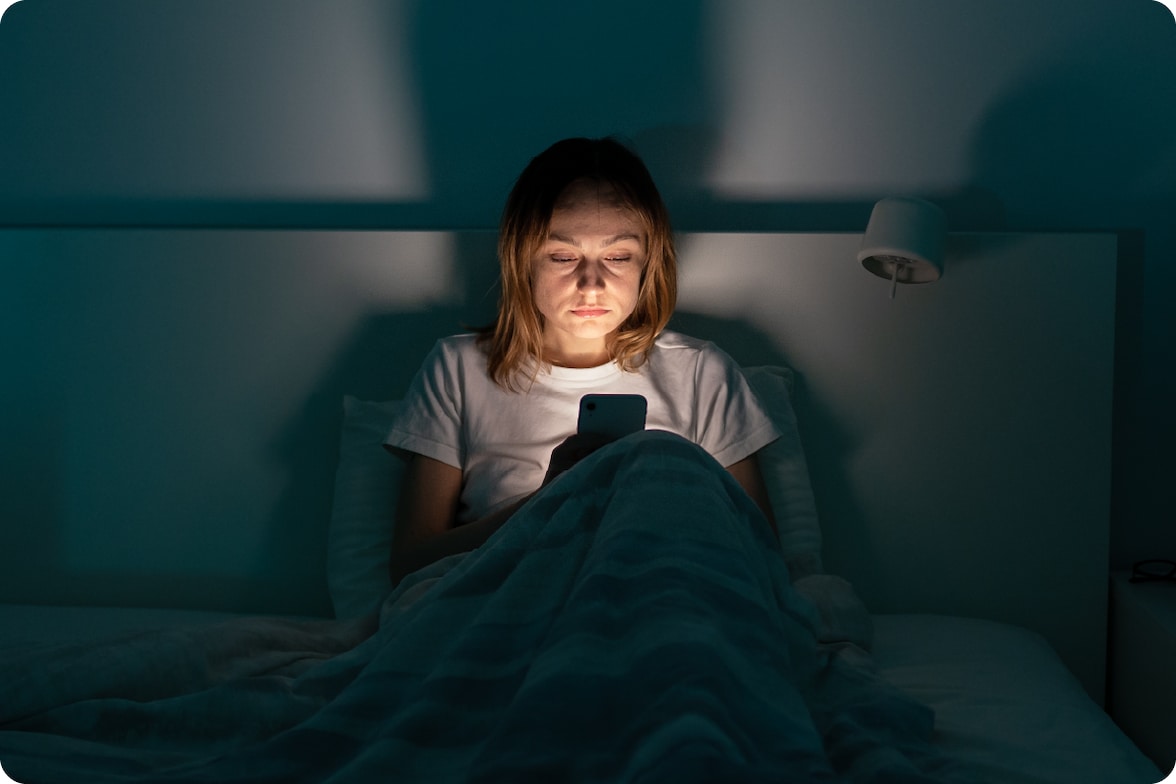
“Technology has erased the boundary between day and night. The expansion of high-speed networks has normalized 24/7 availability.”
Financial impact: the compass for being productive
When we don't sleep well, the way we make financial decisions also changes. From an investment to an everyday purchase, decision-making requires mental clarity, analytical capacity, and a balanced perception of risk. Insomnia undermines all of that. When we are not well rested, impulsivity increases, risk assessment becomes distorted, and long-term planning declines. Economic uncertainty is another factor: “Market volatility and the cost of living generate a baseline anxiety that shows up in bed in the form of rumination. The patient can't sleep because the brain tries to ‘solve’ financial problems when nothing can be done about them,” adds Wix.
The more severe the insomnia, the greater the impact on work performance and healthcare usage. Lack of sleep makes us more sensitive to potential gains and less attentive to losses, leading to riskier investments without properly weighing the consequences. “An exhausted brain looks for the path of least resistance: we make simplistic decisions, avoid comparing prices, and fall into more expensive convenience purchases simply because we lack the mental energy to plan,” says Wix.
Sleep deprivation is far costlier than we think. Workers with insomnia show greater declines in performance and motivation. They visit emergency rooms more often and have higher hospitalization rates. At the macroeconomic level, the loss of productivity associated with insomnia is estimated to cost companies over $411 billion annually in the United States, according to a study by RAND Corporation.
Technologies and solutions to improve insomnia
In parallel, a growing sleep industry has emerged, ranging from flexible working policies and sleep hygiene education programs to a global rest industry that has expanded rapidly in recent years. Today, we find sleep masks with built-in headphones that aid relaxation, sound pillows that eliminate the need for headphones, as well as specialized masks that block light and offer massage functions.
Artificial intelligence is also beginning to play a significant role. There are already apps that analyze sleep patterns and provide personalized recommendations, as well as smart beds that use algorithms to adjust mattress firmness and temperature according to the user’s needs. An interesting study by researchers at the Massachusetts Institute of Technology (MIT) has developed a technology capable of wirelessly monitoring all the positions a person adopts while sleeping.
In addition to these technological solutions, there are treatments such as cognitive behavioral therapy, which helps patients learn to change the way they think in order to reframe misconceptions and fall asleep more naturally.
Sleeping better is not a problem to be solved, but a luxury we should aspire to. Because taking care of ourselves is perhaps the smartest decision we can make. The real question is: When will it start?